What is TECER?
TECER — Tecnologias para Conexão Remota (“Technologies for Remote Connection”) — is an applied research project by Instituto Nupef aimed at extending connectivity to traditional communities and territories in the Amazon, where conventional telecommunications infrastructure does not reach. The project tests and compares radio technologies in sub-gigahertz bands (UHF/VHF) and decentralized network architectures, with the goal of building connectivity alternatives that local teams can maintain.
The project’s name describes its working method. Just as a woven fabric — “tecer” means “to weave” in Portuguese — is formed by different interlaced threads, TECER combines different technologies, each responding to part of the challenge: carrying the signal to the territory and distributing it within it.
The question guiding the research
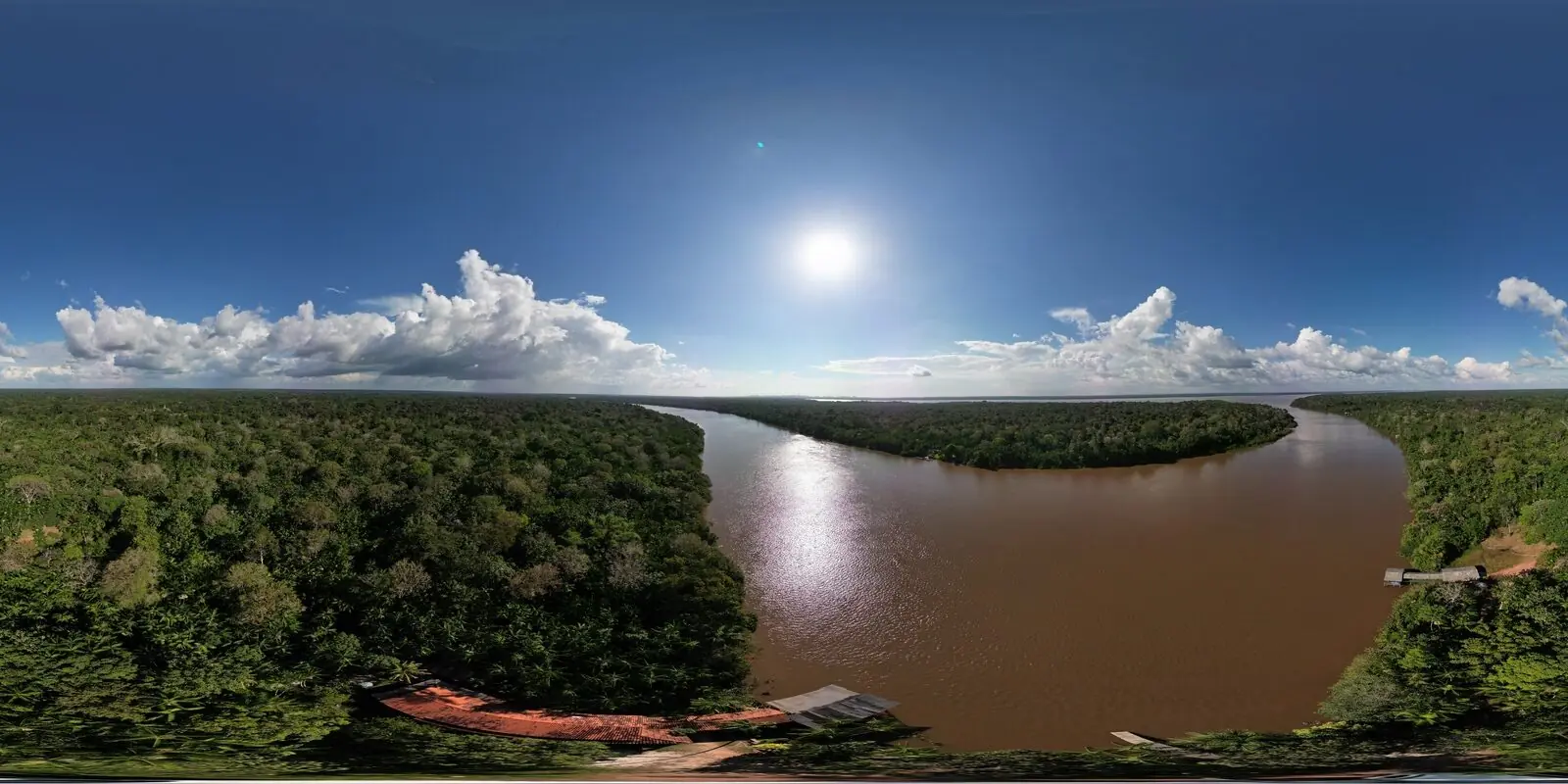
The project starts from a simple observation. Television broadcasts deliver image and sound over long distances, using sub-gigahertz frequencies that go around obstacles and reach places where many internet systems fail for lack of line of sight. If the air already carries complex signals like audio and video, why not use part of that spectrum to carry data?
That question leads to the study of TV White Spaces (TVWS), which proposes using unoccupied television channels as a data link. Operating in sub-gigahertz brings physical advantages, such as greater diffraction, penetration and range, and also limitations, such as lower transmission rates and specific equipment and spectrum-coordination requirements. Testing this path means evaluating, with field data, the balance between range and transmission capacity, between cost and fault tolerance, between operational simplicity and the need for technical management.
Two layers of connectivity
TECER works with two complementary layers, tested and compared throughout the project.
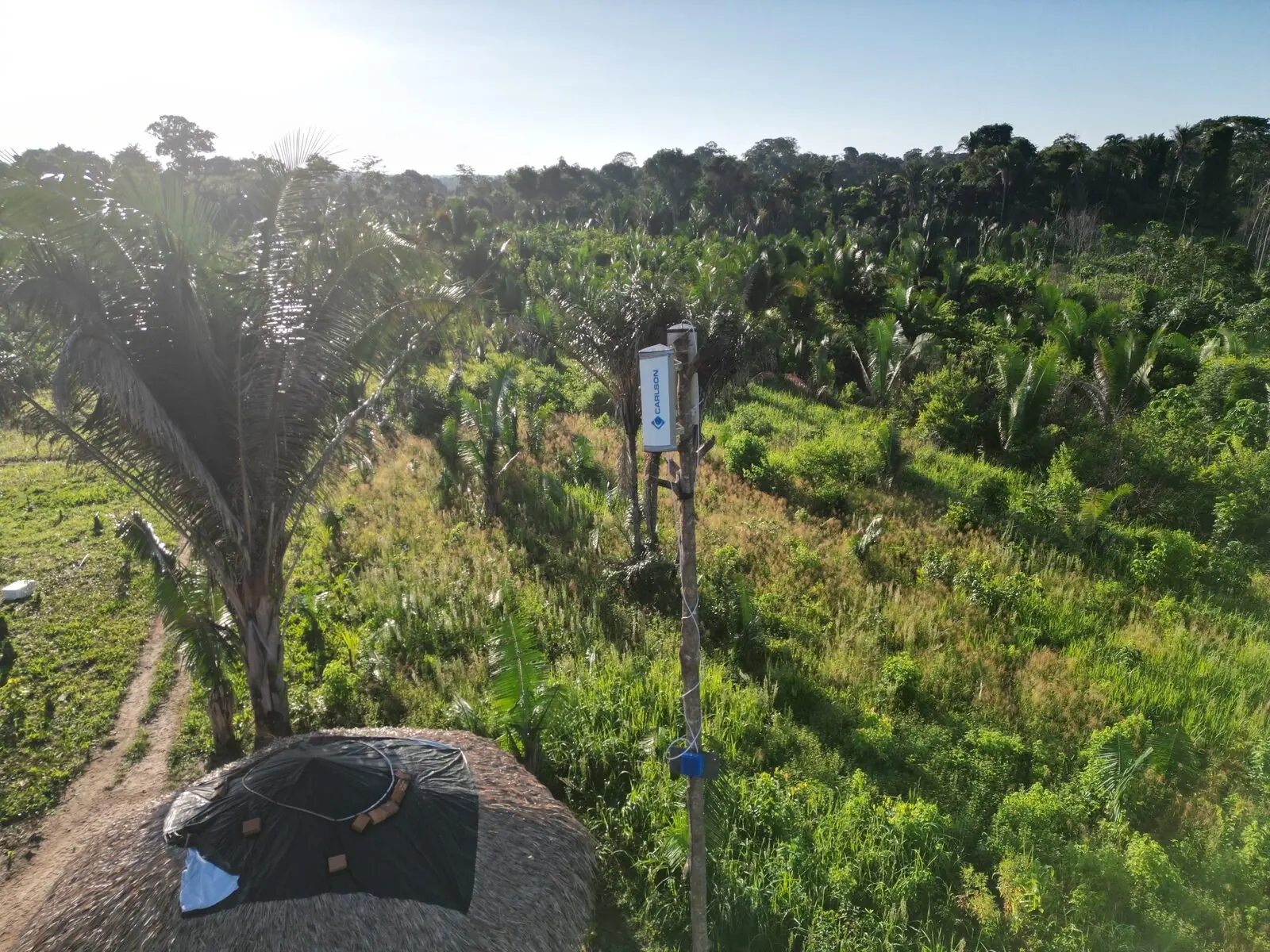
The link layer, connecting the city to the remote territory. TVWS is the technology studied for this function. It uses idle TV channels in the 400–900 MHz range to create a long-distance link capable of crossing rivers, dense vegetation and terrain — conditions under which 2.4 GHz or 5 GHz technologies usually fail for lack of line of sight.
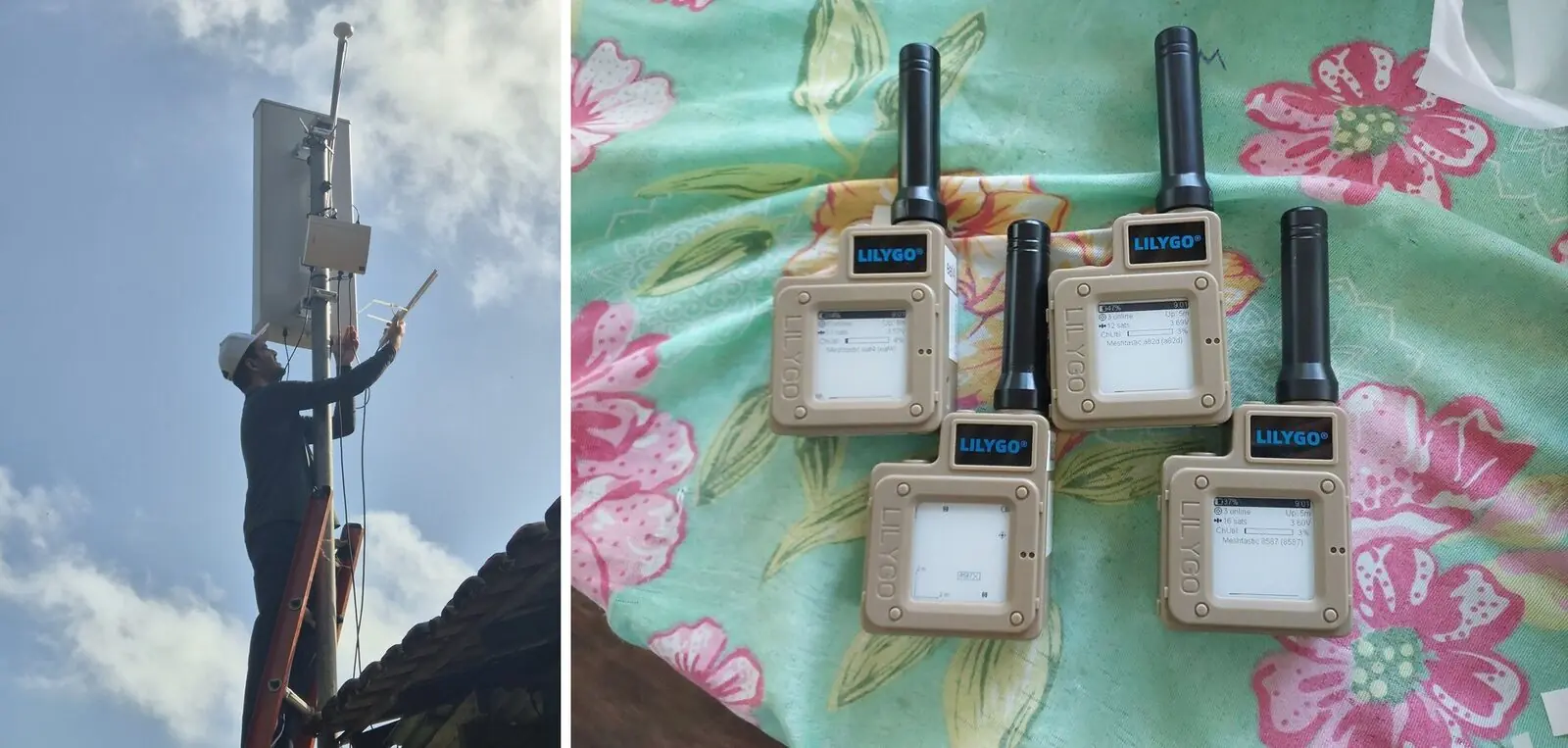
The distribution layer, carrying the connection to each point in the territory. Once the link arrives, it needs to be distributed within the community. For this function, the project tests low-power mesh network architectures, such as LoRa and implementations like Meshtastic. In these networks, each device works as a node that relays the signal to its neighbors, allowing communication even without a single central point and even when the main link is down.
None of the technologies tested is treated, at this stage, as a definitive solution. The project is in a comparison phase, measuring effective field range, latency, useful transfer rate, power consumption, fault tolerance and local maintenance complexity.
Project objectives
- Test and compare TVWS technologies from different generations in real forest scenarios, under non-line-of-sight (NLOS) conditions.
- Test and compare low-power mesh network technologies, such as LoRa and Meshtastic, for local connectivity distribution.
- Produce replicable performance metrics: range, latency, packet loss, power consumption and operating cost.
- Document the maintenance, power and local-training requirements needed to sustain these networks over time.
- Map the regulatory framework applicable to the use of idle spectrum in Brazil and contribute technical data to that debate.
- Build operating models that prioritize local autonomy and low replacement cost.
Where does the project operate?
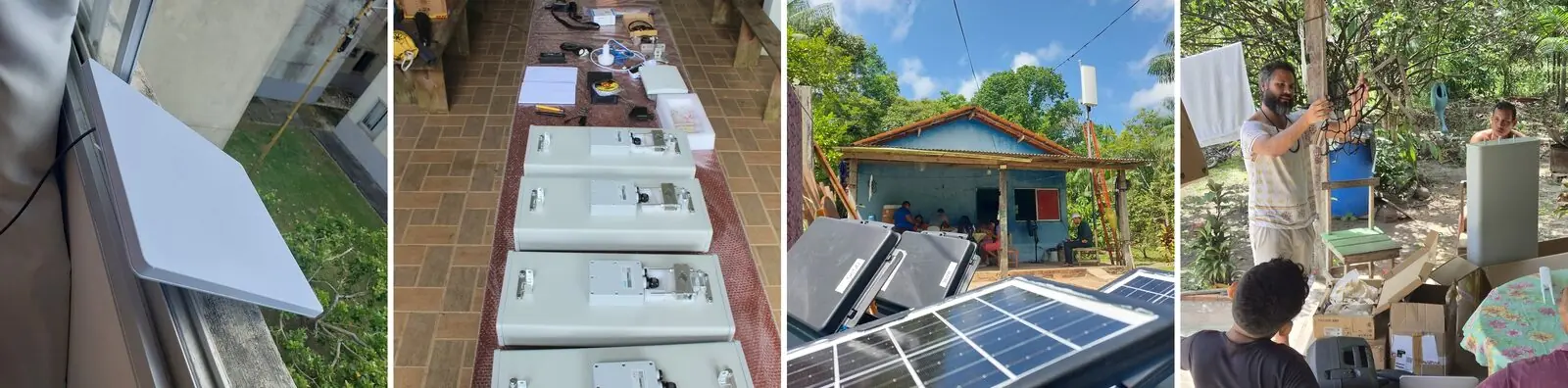
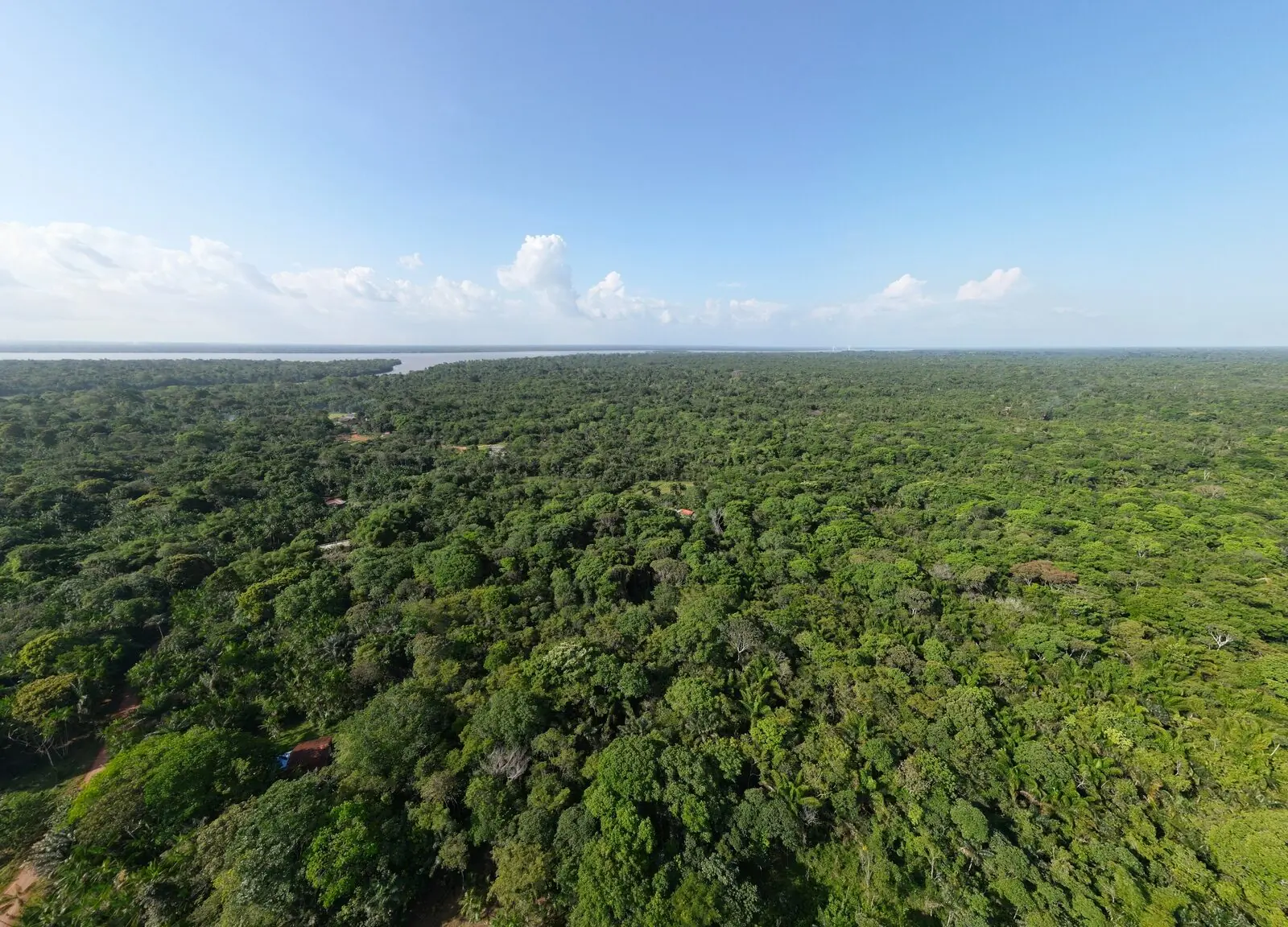
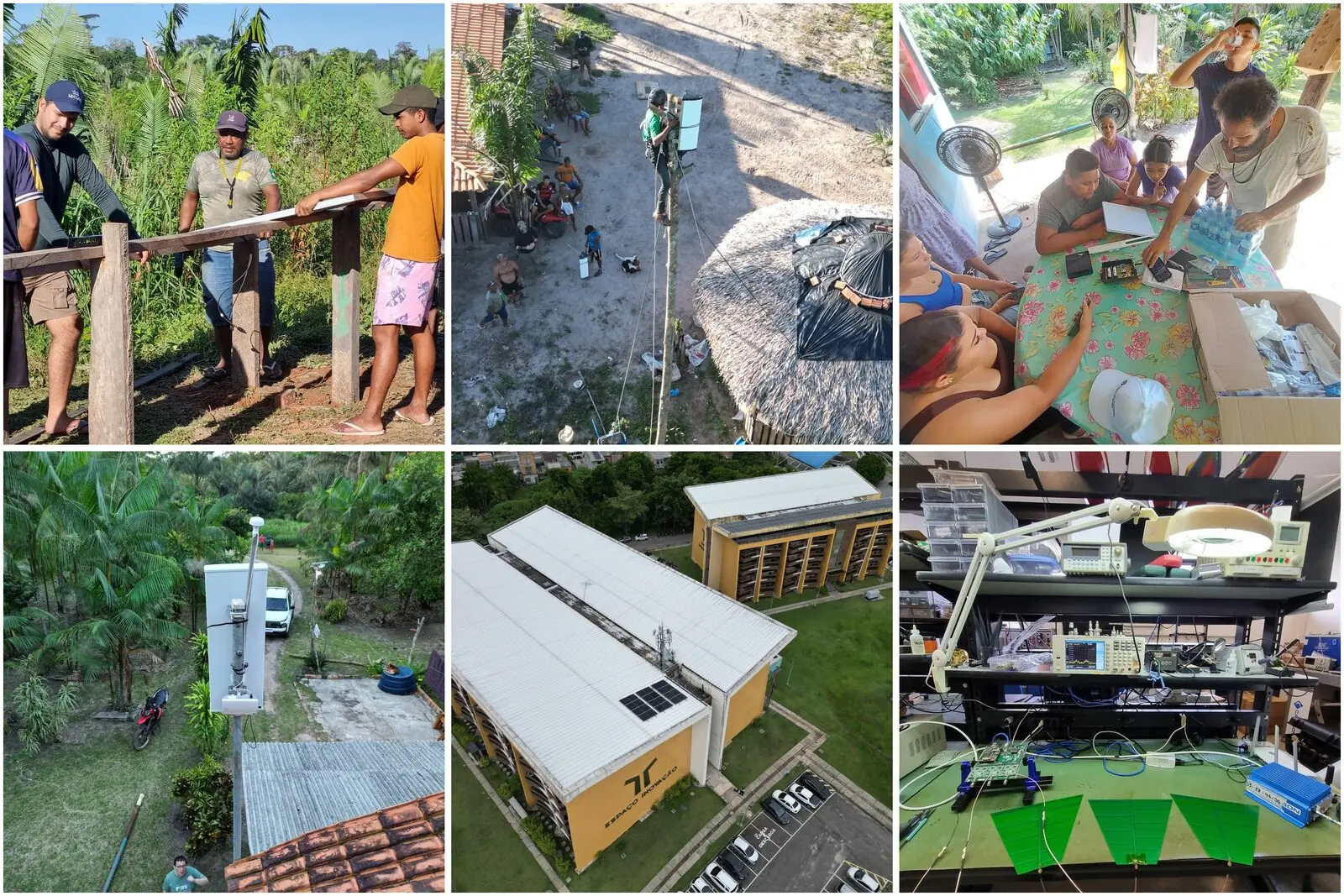
TECER’s first phase of field tests was carried out in Maranhão, in partnership with Guardiões da Floresta (“Forest Guardians”). The second phase concentrates controlled tests at a testbed near Belém, in Pará, with field tests planned for the Amazon region throughout 2026.
Implementation, support and partnerships
TECER is carried out by Instituto Nupef, a civil society organization that began its work in 2005, promoting the safe use of technologies to guarantee rights and contribute to the full exercise of citizenship. We combine traditional knowledge and specialized expertise to increase the appropriation of these technologies by civil society organizations, social movements and traditional communities.
The project receives support from the Building Opportunities/Leveraging Technologies Grant Program, from the Internet Society Foundation (ISOC Foundation).
Among the project’s partners are:
- Guardiões da Floresta, a grassroots collective working on the protection and sustainable management of the Amazon, which made access to the territory possible for testing.
- The Guajará Miri Quilombola Community, in the municipality of Acará, Pará, which also made access to the territory possible for testing.
- LASSE, the Telecommunications, Automation and Electronics Research and Development Center at the Federal University of Pará (UFPA), which provided lab space for testing.
- PCT Guamá, the Guamá Science and Technology Park, an institutional partner in the project’s first and second phases.
Who makes TECER
- Supervision: Rodrigo Troian
- Research team: Carlos Afonso (c.a.), Moacir Neto, Flávio Hernan, Rodrigo Troian
- Collaboration: Luandro Vieira, Zeilane Fernandes
- Hotsite development: Zeilane Fernandes